

.png)

Muscle Activation Therapy for Athletes Explained

A runner feels tightness in one hip every time mileage increases. A golfer has recurring shoulder irritation despite resting between rounds. A student athlete keeps rolling the same ankle. The painful area may deserve attention, but pain is not always the starting point. Muscle activation therapy for athletes looks beyond the sore spot to identify muscles that are not contributing effectively to movement.
When the body cannot recruit a muscle well, it finds another way to complete the task. A nearby muscle may overwork. A joint may move farther than it should. The athlete may continue to perform, but with less control, less efficiency, and a greater likelihood of recurring strain. At Holistic Living Innovations Chiropractic, we see these compensation patterns as valuable clues, not isolated setbacks.
What Muscle Activation Therapy Is Designed to Address
Muscle activation therapy is a hands-on approach that evaluates how well specific muscles respond and participate in movement. The goal is not simply to make a tight area relax. It is to help identify underperforming muscles, restore more appropriate communication between the nervous system and muscle tissue, and improve the way the body distributes force.
An athlete with knee discomfort, for example, may have weakness or poor activation in the gluteal muscles, foot stabilizers, or muscles that support hip control. The knee is where the complaint appears, but the movement pattern may involve the entire chain from the foot to the pelvis and trunk.
This is why a true assessment should not begin and end with the painful joint. It should consider posture, gait, joint motion, prior injuries, sport demands, training volume, and the quality of basic movement. A pitcher, cyclist, tennis player, CrossFit athlete, and recreational walker all place different demands on their bodies. Their care should reflect that reality.
Why Athletes Develop Compensation Patterns
Compensation is not a character flaw or proof that someone is out of shape. It is the body’s intelligent short-term solution to a problem. After an injury, period of inactivity, repetitive training block, or even prolonged sitting, the nervous system may alter how it recruits muscles to keep you moving.
The problem is that a short-term workaround can become a long-term pattern. A hip may lose stability after an old ankle sprain. The low back may begin doing work that the hips and core should share. A shoulder may become irritated because the upper back and shoulder blade are not providing a stable foundation.
Stress, poor sleep, inadequate recovery, dehydration, nutrient deficiencies, and inflammation can also influence performance and tissue recovery. This is where a root-cause perspective matters. Structural patterns are real, but they do not exist separately from the rest of the body. An athlete who is under-fueled, dealing with digestive dysfunction, or struggling with chronic stress may need more than local treatment to recover well.
How Muscle Activation Therapy for Athletes Works
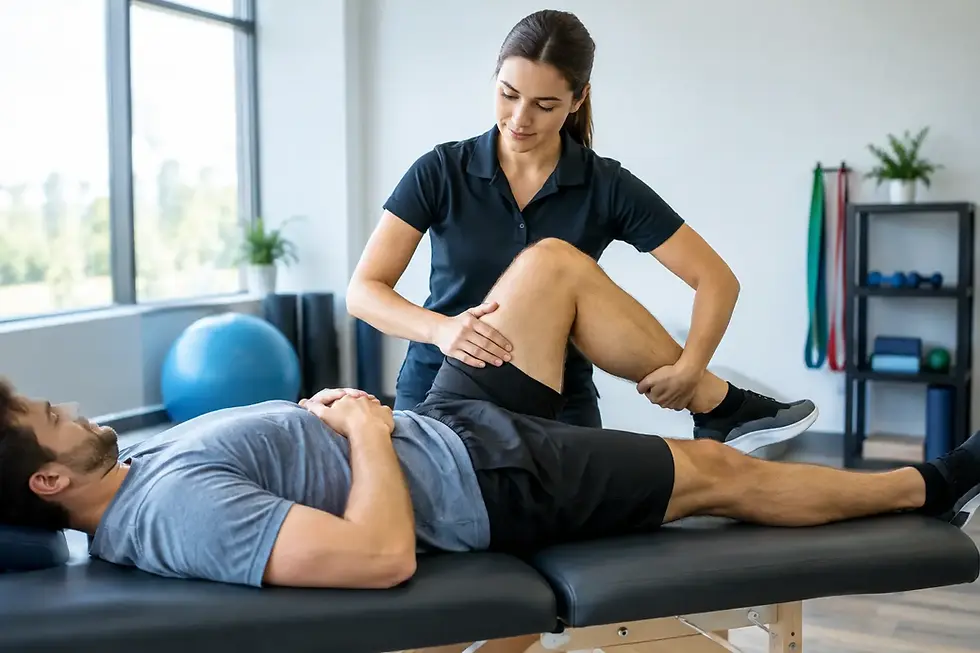
A session typically begins with a detailed conversation about your sport, symptoms, injury history, goals, and training routine. The practitioner then observes movement and uses targeted muscle testing to assess whether certain muscles can engage and hold appropriately in specific positions.
If a muscle does not respond as expected, the practitioner may use precise manual contact, positional work, and guided movement to stimulate activation. This is often followed by reassessment. The purpose is practical: determine whether the body’s movement or muscle response changes when the suspected weak link is addressed.
The experience is different from a standard massage. Massage can be valuable for relaxation, circulation, and temporary relief of muscular tension. Muscle activation work is more focused on function. It asks, “Which muscle is failing to do its job, and what is the body doing instead?”
It is also different from simply adding more strengthening exercises. Strength matters, but loading a muscle that is not activating well can reinforce a faulty pattern. Sometimes the best next step is strength training. Other times, the athlete needs mobility work, motor-control retraining, recovery support, or a broader evaluation before adding intensity.
What You May Notice After Treatment
Some athletes notice that a movement feels easier or more balanced immediately after a session. They may have improved range of motion, better stability during a squat or lunge, or less pulling in an overworked area. Others notice changes more gradually as their body learns a different pattern.
Immediate change is encouraging, but it is not a guarantee that the issue is permanently resolved. Old compensation patterns can return under fatigue, stress, or heavy training. Lasting progress usually requires a personalized plan that may include corrective exercise, adjustments to training load, hydration and nutrition support, sleep improvements, and follow-up care when needed.
When This Approach May Be Helpful
Muscle activation work can be especially useful for athletes who feel stuck in a cycle of recurring tightness, strains, joint irritation, or uneven performance. It may also help active adults who notice one-sided discomfort, reduced balance, loss of power, or a persistent sense that their body is working harder than it should.
Common reasons athletes seek care include recurring hamstring tightness, shoulder discomfort with overhead movement, hip or low-back tension, knee pain during running or squatting, chronic ankle instability, and difficulty returning to sport after an injury. The key is not to self-diagnose based on a symptom alone. Similar symptoms can have very different causes.
Muscle activation therapy is not a substitute for medical evaluation after a serious injury. Sudden swelling, inability to bear weight, visible deformity, numbness, weakness that is progressing, severe pain, or symptoms after a head injury require prompt medical attention. A thoughtful holistic approach respects those boundaries and works alongside appropriate medical care.
Pairing Structural Care With Whole-Body Recovery
Athletic performance is not built in a treatment room. It is built through the choices made between practices, workouts, games, and appointments. That is why individualized care should connect what happens on the table with what happens in real life.
For one person, the missing piece may be a corrective movement plan that restores hip and foot control. For another, it may be chiropractic care to address restricted joint motion, shockwave therapy for a stubborn soft-tissue concern, or nutritional support that improves recovery capacity. Advanced testing may be appropriate when fatigue, inflammation, digestive issues, hormonal shifts, or frequent illness are affecting performance.
There is no single protocol that fits every athlete. A high school soccer player, a weekend pickleball player, and a competitive endurance athlete do not have the same training load, injury history, or recovery needs. The most effective plan is the one built from your findings, your goals, and your body’s response over time.
A Better Question Than “Where Does It Hurt?”
Pain matters. It deserves to be heard. But for many athletes, the more useful question is, “Why is my body asking this area to carry more than it should?” That question opens the door to better movement, more informed training, and a care plan that is focused on lasting function rather than chasing the same symptom week after week.
If your body has been sending the same signal repeatedly, do not settle for temporary relief as the final answer. Healing is possible when you identify the patterns beneath the pain and give your body the support it needs to move with confidence again.


Comments