

.png)
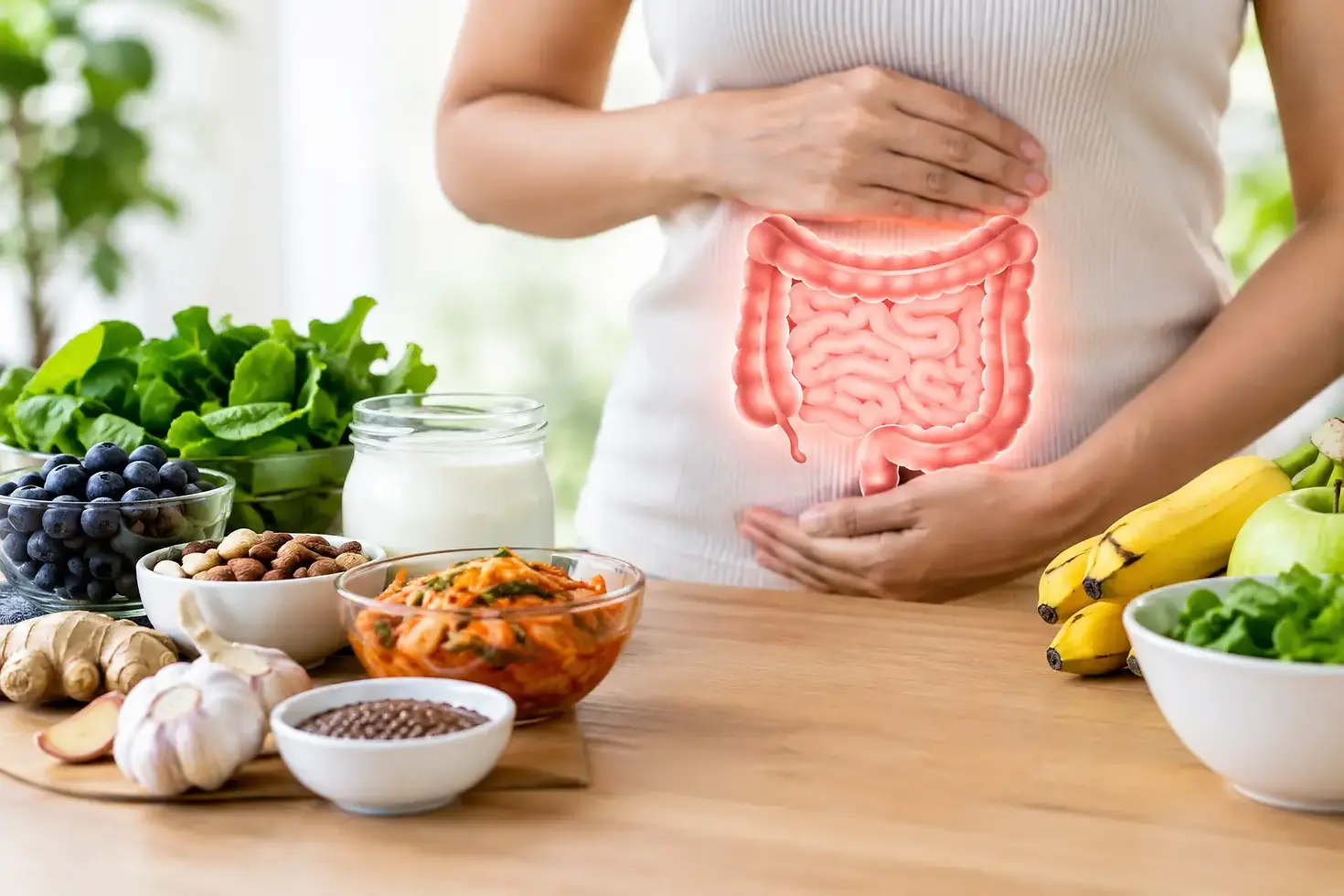
Gut Microbiome Healing Guide for Lasting Health

A bloated stomach after every meal, unpredictable bowel habits, stubborn fatigue, skin flare-ups, brain fog, or a body that seems to react to everything are not problems you should simply learn to live with. This gut microbiome healing guide is for people who are ready to stop chasing temporary relief and start asking why their digestive system is struggling in the first place.
Your gut is not a separate compartment of your body. It communicates with your immune system, hormone signals, nervous system, skin, metabolism, and even your musculoskeletal health. When that communication is disrupted, symptoms can show up far beyond the digestive tract. Healing is possible, but it requires more than a generic probiotic and a short-term elimination diet.
What the Gut Microbiome Actually Does
The gut microbiome is the community of bacteria, fungi, viruses, and other microorganisms living primarily in your large intestine. A balanced microbiome helps break down fiber, produce beneficial compounds, support the intestinal barrier, regulate immune activity, and influence how your body responds to food and stress.
The goal is not to have a perfectly sterile gut. In fact, trying to kill everything with aggressive cleanses or repeated antimicrobial products can create a new problem. Your body needs microbial diversity and balance. The question is whether the organisms in your gut are supporting your health or contributing to inflammation, poor digestion, nutrient depletion, and immune stress.
That balance can shift after antibiotics, food poisoning, chronic stress, poor sleep, highly processed foods, alcohol, environmental toxin exposure, constipation, infections, hormone changes, and certain medications. For some people, the shift is subtle. For others, it becomes the missing piece behind years of symptoms that never seem to fully resolve.
Why a Generic Gut Healing Plan Often Fails
Many gut protocols promise a simple answer: remove gluten, take probiotics, drink bone broth, and wait. Those strategies may help some people, but they are not a complete plan for everyone.
One person may need to address low stomach acid, sluggish bile flow, or inadequate digestive enzymes. Another may be dealing with a microbial imbalance, a food sensitivity, chronic constipation, mold exposure, or the effects of prolonged stress on the nervous system. Someone with a history of restrictive dieting may need to rebuild food variety carefully rather than eliminate more foods.
This is why root-cause care matters. Symptoms provide clues, but they do not tell the entire story. Two people can both experience bloating and need very different interventions. A plan should be built around your history, your symptom patterns, your nutrition, your stress load, and, when appropriate, individualized testing.
A Root-Cause Gut Microbiome Healing Guide
Start by identifying your pattern
Before adding supplements, pay attention to the pattern your body is showing you. Is bloating immediate after meals or later in the day? Do you alternate between constipation and loose stools? Did symptoms begin after travel, antibiotics, pregnancy, a major illness, or an intensely stressful season? Are headaches, rashes, joint pain, anxiety, or fatigue happening alongside digestive complaints?
These details matter. They can help identify whether the primary concern may involve digestion, motility, food reactivity, inflammation, microbial burden, or a larger whole-body issue. At Holistic Living Innovations Chiropractic, care is designed to connect these dots rather than isolate a single symptom.
Build a foundation before using a strong protocol
A healing plan works better when the basics are in place. Your digestive system responds to your daily environment. Eating while rushed, sleeping five hours a night, skipping meals, and relying on ultra-processed foods can keep the body in a stressed state that makes repair more difficult.
Begin with regular, nourishing meals that include quality protein, healthy fats, and plant foods you tolerate well. Instead of forcing a dramatic diet overhaul, focus on consistency. Chew thoroughly, sit down for meals when possible, and give yourself enough time to eat without multitasking. These simple practices support the nervous system’s role in digestion.
Fiber is often valuable because it feeds beneficial microbes, but more is not always better at the beginning. If beans, raw vegetables, onions, garlic, or high-fiber foods significantly worsen gas and pain, pushing through may not be wise. The right amount and type of fiber depend on your current digestive capacity.
Use testing when it changes the plan
Testing should not be performed just to collect data. It should answer a meaningful clinical question and guide your next steps. Depending on your history, a provider may consider comprehensive bloodwork, stool testing, food sensitivity evaluation, nutrient assessment, or hair tissue mineral analysis.
These tools can reveal patterns that are easy to miss, such as nutrient deficiencies, blood sugar dysregulation, mineral imbalances, inflammation, or signs that a deeper digestive evaluation is needed. They do not replace a thoughtful clinical assessment, and no single test tells the whole story. Used well, however, they can help make care more precise.
Address the burden without overwhelming the body
If an imbalance, infection, or other burden is suspected, targeted support may be appropriate. This could include food changes, herbal therapy, specific nutrients, or a carefully selected supplement protocol. The goal is to support the body’s natural healing systems while reducing the factors keeping it under stress.
This is also where professional guidance becomes especially valuable. Strong antimicrobial products, prolonged restrictive diets, and random supplement stacks can create side effects or mask the real issue. If you have severe symptoms, are pregnant, take prescription medications, have a chronic medical condition, or have a history of an eating disorder, do not self-prescribe a complex gut protocol.
Restore and maintain diversity
Once the gut is calmer, the next phase is not returning to the habits that created the problem. It is rebuilding resilience. That may mean gradually expanding plant diversity, incorporating fermented foods if tolerated, improving hydration, supporting daily bowel movements, and creating a more sustainable rhythm around food and sleep.
Probiotics can be helpful, but they are not universally helpful. Some people feel better with a specific strain or spore-based product; others experience more bloating and need a different approach. Personalized care prevents you from treating supplements like a guessing game.
The Often-Missed Connection: Stress, Structure, and Digestion
Your gut does not heal in isolation from the rest of your body. Chronic stress can alter gut motility, digestive secretions, inflammation, and the microbiome itself. A nervous system that never feels safe enough to rest may struggle to digest and repair efficiently.
Structural stress matters, too. Chronic pain, poor movement patterns, muscle compensation, and restricted mobility can keep the body in a heightened stress response. This is one reason an integrative approach that considers chiropractic care, muscle function, nutrition, and biochemical health can be so powerful. The body functions as a connected system, not a collection of unrelated parts.
What Progress Can Look Like
Gut healing is rarely linear. You may notice better bowel regularity, less bloating, improved energy, clearer thinking, more stable moods, or fewer food reactions before every symptom disappears. Progress may also include being able to eat a wider range of nourishing foods without fear.
Expect the timeline to depend on what has been driving the dysfunction and how long it has been present. A recent disruption may improve relatively quickly. Long-standing symptoms, repeated antibiotic exposure, autoimmune concerns, chronic infections, or significant stress may require a more gradual plan. The goal is durable change, not a quick fix that falls apart a month later.
When to Seek Medical Evaluation Promptly
Do not assume every digestive symptom is a microbiome issue. Seek prompt medical care for blood in the stool, black stools, unexplained weight loss, persistent vomiting, severe or worsening abdominal pain, fever, dehydration, trouble swallowing, or symptoms that wake you at night. These signs deserve timely evaluation.
For ongoing symptoms that have not responded to conventional advice, a deeper functional and nutritional assessment may help you move beyond symptom management. You deserve care that listens closely, investigates thoroughly, and gives you a clear path forward.
Your gut has an extraordinary capacity to adapt when it is given the right conditions. Start with one consistent meal, one better night of sleep, one honest look at your symptoms, and the support needed to uncover what your body has been trying to tell you. A new way of life can begin with that next informed step.



Comments